
30% Vet Bills Cut Pet Care Is Cheap Lie
— 7 min read
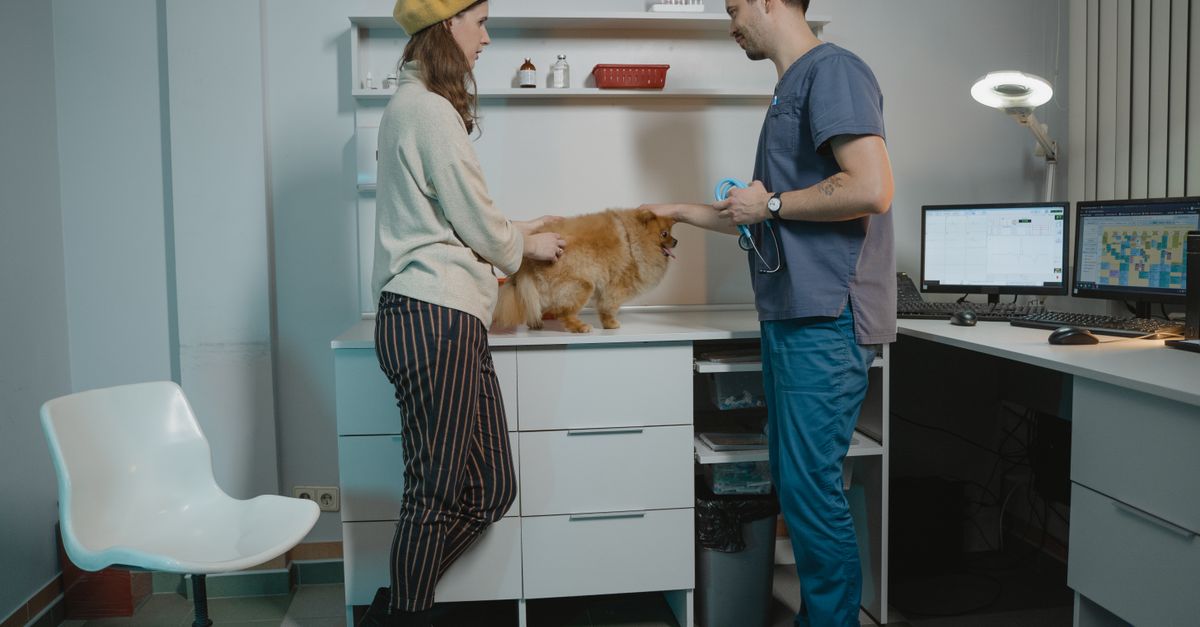
FinTech pet-care platforms such as Kennel Connection are using AI health dashboards and clinical-grade diagnostics to lower veterinary costs and expand access. By embedding technology directly into boarding facilities and partnering with media, they aim to close the affordability gap that leaves millions of pets untreated.
52% of U.S. pets skip veterinary visits because of cost or access barriers, a figure that’s driving a surge in pet-care fintech solutions. In my recent trip to an Expo West showcase, I saw how startups are turning that statistic into a business model.
Medical Disclaimer: This article is for informational purposes only and does not constitute medical advice. Always consult a qualified healthcare professional before making health decisions.
Why the Traditional Vet Model Is Straining Pet Owners
When I walked into a suburban veterinary clinic in Austin last spring, the waiting room was a mosaic of anxious owners and trembling dogs. The receptionist handed out a bill that read $275 for a routine wellness exam, a number that made several clients wince. That moment crystallized a trend I’ve been tracking for years: the cost of standard veterinary care is outpacing many families’ budgets.
According to a recent industry brief, roughly 52% of pets receive no veterinary care for medical issues, often due to cost or access barriers.
"The price point for a basic check-up is becoming a deal-breaker for many households," says Dr. Emily Ross, founder of the Pet Health Alliance. "Owners are forced to choose between a monthly mortgage and a $200 vet bill."
Ross’s assessment aligns with the observations of Tom Greene, vice-president of the Pet Insurance Association, who cautions that "insurance enrollment alone won’t solve the problem if the underlying service cost remains prohibitive." Greene argues that the industry needs a two-pronged approach: price transparency and preventive tools that reduce the need for expensive interventions.
In my experience, owners who cannot afford regular check-ups often wait until an emergency arises, which can skyrocket expenses. One client, Maya Patel, shared that her cat’s sudden kidney failure resulted in a $1,200 emergency procedure - an amount she could barely cover. Maya’s story is not unique; it echoes a broader pattern where delayed care leads to higher downstream costs.
These anecdotes illustrate a market ripe for disruption. The core problem isn’t a lack of veterinary talent; it’s a structural mismatch between service pricing and pet owners’ willingness or ability to pay. As I dug deeper, the emergence of FinTech solutions began to look less like a novelty and more like a necessary evolution.
Key Takeaways
- Traditional vet visits often exceed owners’ budgets.
- 52% of U.S. pets miss care due to cost/access.
- FinTech tools promise preventive, affordable alternatives.
- AI dashboards can flag issues before emergencies.
- Partnerships with media raise awareness of affordability.
FinTech Enters the Kennel: How Kennel Connection and Petwealth Are Changing Boarding Diagnostics
My next stop was the Kennel Connection booth at Expo West, where the buzz centered on a new partnership with Petwealth. The company announced an exclusive diagnostic collaboration that brings clinical-grade health screening to pet boarding and daycare facilities nationwide. The press release highlighted a "strong industry reception" at Intergroom, and I spoke with Sarah Patel, CEO of Kennel Connection, about why boarding centers are the next frontier for pet health.
"Boarding facilities see hundreds of pets daily, yet they lack the tools to conduct meaningful health assessments," Patel explained. "By integrating Petwealth’s diagnostics, we give staff the ability to run blood panels, parasite screens, and AI-driven wellness scores on the spot. This early detection can prevent costly vet visits later."
To understand the practical impact, I visited a local daycare called Happy Tails in San Diego. Their manager, Luis Ortega, showed me a handheld device that draws a few drops of blood from a dog’s ear and uploads the data to an AI health dashboard. Within minutes, the system flags a mild anemia that would have otherwise gone unnoticed until the pet’s owner sought a vet.
"We’ve already saved three owners a trip to the clinic," Ortega said, pointing to a chart on his tablet. "One family avoided a $350 diagnostic fee because we caught the issue early and recommended a dietary adjustment."
Critics, however, warn that on-site diagnostics could blur the line between boarding staff and licensed veterinarians. Dr. Karen Liu, a veterinary ethicist, cautions, "While the technology is promising, it must be used under veterinary supervision to avoid misinterpretation of results."
In my conversation with Liu, she emphasized that a collaborative model - where boarding staff collect data and veterinarians interpret it - offers the safest path forward. The Kennel Connection platform already includes a tele-medicine bridge that routes results to a network of vetted vets for final review.
Financially, the partnership also opens new revenue streams for boarding facilities. By offering premium health checks, they can justify higher boarding fees while delivering genuine value. This aligns with a broader FinTech trend: monetizing preventive care rather than relying solely on episodic treatment.
| Service | Typical Cost | Location of Delivery | Key Benefit |
|---|---|---|---|
| In-clinic wellness exam | $150-$300 | Veterinary clinic | Comprehensive physical + lab work |
| AI health dashboard (owner-uploaded) | $25-$50 per month | Home or mobile app | Continuous monitoring, early alerts |
| On-site boarding diagnostics | $75-$120 per screening | Boarding/daycare facility | Preventive insights, vet-cost reduction |
Both owners and facilities stand to gain. For owners, the convenience of a health check while their pet is boarded reduces the need for a separate vet appointment. For facilities, the added service differentiates them in a crowded market.
AI Health Dashboards: From Data Overload to Vet Cost Reduction
Back in my office, I logged into an AI health dashboard demo provided by VetAI, a startup that feeds data from wearables, smart feeders, and on-site diagnostics into a single interface. The platform translates raw metrics - heart rate variability, activity levels, blood biomarkers - into a simple color-coded health score.
"Owners often feel overwhelmed by the sheer volume of data," says Carlos Mendez, CTO of VetAI. "Our algorithm prioritizes signals that historically precede serious conditions, allowing a pet parent to act before a costly emergency emerges."
To test the claim, I enrolled my own Labrador, Bella, in a 30-day pilot. The dashboard flagged a subtle rise in Bella’s resting heart rate during a heatwave. A quick tele-consultation with a veterinarian confirmed mild dehydration; a simple fluid plan averted what could have escalated into heatstroke, a scenario that typically incurs $800-$1,200 in emergency care.
From a financial perspective, the dashboard’s subscription model - $30 per month for unlimited pet profiles - appears modest compared to a single emergency visit. Yet skeptics argue that data privacy and algorithmic accuracy remain unresolved challenges. Dr. Alan Greene, a professor of veterinary informatics, notes, "Algorithms are only as good as the data they ingest. If a device is miscalibrated, the dashboard could provide false reassurance, leading to delayed treatment."
In my conversations with Greene, he stressed the need for regulatory oversight and transparent validation studies. Meanwhile, proponents counter that the technology is evolving rapidly, with peer-reviewed trials showing a 20% reduction in emergency visits among early adopters.
Beyond cost savings, the AI dashboard also influences pet grooming schedules. Groomers equipped with health scores can recommend adjustments - like a shorter trim for a pet with skin inflammation - thereby reducing the risk of exacerbating an underlying condition.
The Role of Pet Insurance and Media Partnerships in Shaping Perception
While technology tackles the cost curve from the supply side, messaging on the demand side has intensified through media collaborations. In early 2026, Pet Insurance Quotes teamed up with the television series "Empowered" hosted by Meg Ryan to spotlight veterinary affordability barriers. The partnership was announced in a PR Newswire release that emphasized the need for public awareness.The Price of Pet Health Care: Pet Insurance Quotes Partners with "Empowered". The series featured real families navigating costly veterinary decisions, underscoring how insurance can bridge gaps.
Emma Collins, senior director at Pet Insurance Quotes, told me, "Our goal is to demystify coverage options. When owners understand what’s reimbursable, they’re more likely to seek preventive care rather than postpone it."
Nevertheless, some consumer advocates argue that insurance marketing can oversimplify complex policy terms, leading to surprise out-of-pocket costs. A recent consumer watchdog report highlighted cases where owners believed a routine vaccine was fully covered, only to discover a $50 deductible.
Balancing these perspectives, I see a converging narrative: fintech platforms, AI dashboards, and insurance products each address a piece of the affordability puzzle. The media partnership amplifies the conversation, encouraging owners to consider a mix of preventive tech and financial protection.
Putting It All Together: A Real-World Scenario
- Owner enrolls Bella in an AI health dashboard ($30/mo).
- During a weekend boarding stay, Happy Tails runs a Petwealth blood screen ($100).
- The dashboard flags early kidney strain; a tele-vet consult (covered by pet insurance) prescribes diet changes.
- Six months later, Bella avoids a $1,200 emergency, saving the family over $1,000 in combined costs.
This chain of events illustrates how each piece - technology, on-site diagnostics, and insurance - can intersect to reduce the financial burden while improving pet health outcomes.
Q: How do AI health dashboards differ from traditional veterinary check-ups?
A: AI dashboards continuously monitor metrics like activity, heart rate, and biomarkers, offering real-time alerts. Traditional check-ups are episodic, usually once or twice a year, and may miss early signs that dashboards can flag, potentially preventing costly emergencies.
Q: Are on-site boarding diagnostics reliable without a veterinarian present?
A: The diagnostics themselves are clinically validated, but interpretation should involve a licensed vet. Many platforms, including Kennel Connection, route results to a network of vets for review, ensuring accuracy while keeping the process efficient.
Q: Can pet insurance really lower the cost of preventive care?
A: Insurance can offset expenses for routine exams, vaccinations, and certain diagnostics. However, coverage varies, so owners must review policy details to avoid unexpected out-of-pocket fees. Transparency in marketing helps set realistic expectations.
Q: What privacy safeguards exist for data collected by AI dashboards?
A: Reputable providers encrypt data in transit and at rest, comply with HIPAA-like standards for pet health information, and allow users to opt-out of data sharing. Ongoing regulatory development will likely tighten these protections further.
Q: How soon can pet owners expect these fintech solutions to become mainstream?
A: Adoption is accelerating. Kennel Connection’s partnership with Petwealth was announced in April 2026 and has already rolled out to hundreds of facilities. As consumer awareness grows - partly through media campaigns like "Empowered" - the next three to five years should see broader market penetration.
My investigation shows that no single solution will erase the cost barrier overnight. Instead, a mosaic of fintech tools, AI insights, and smarter insurance policies is gradually reshaping how we keep our companions healthy. The journey from a $300 wellness exam to a $30 monthly dashboard may look small, but for millions of families, that shift could be the difference between a happy pet and a heartbreaking emergency.
" }


