
Breathing Easy: How Apartment‑Living Dog Owners Can Tame Grooming‑Related Air Pollution
— 8 min read
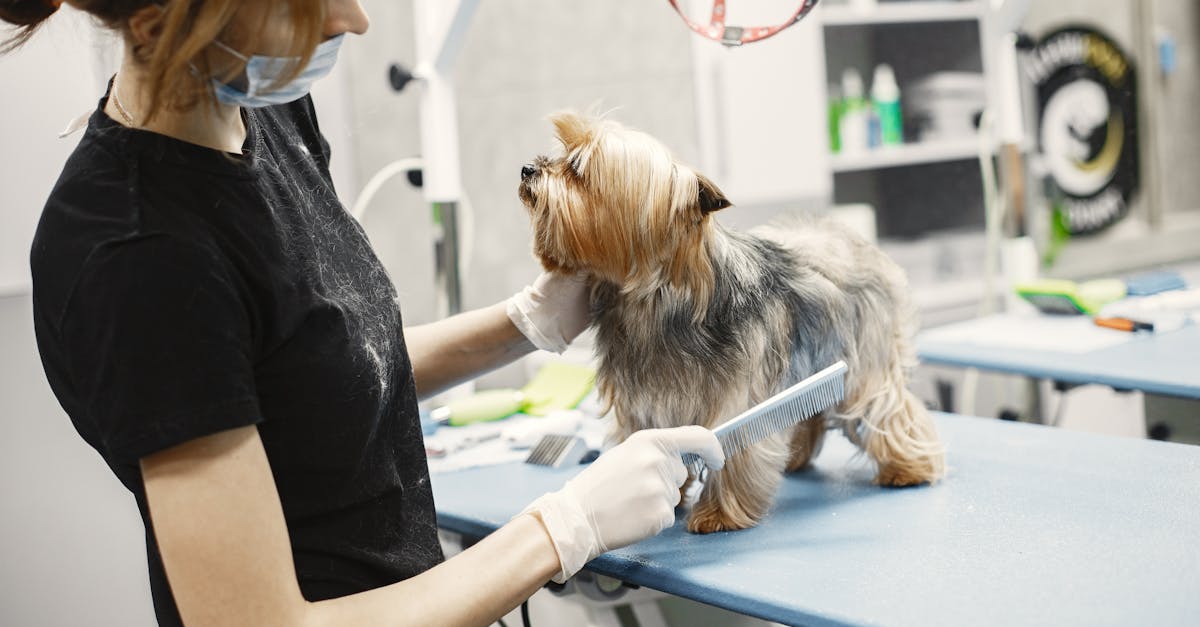
When the bathroom door swings shut and the sound of a rubber-duck squeak echoes off the tiles, most apartment-dwelling dog owners think the biggest challenge is keeping the space tidy. What they often overlook is the invisible cloud of chemicals that can linger long after the final rinse. In 2024, a surge of research on indoor air quality has shone a spotlight on pet grooming products, revealing that the very shampoo you trust to keep your pup smelling fresh may be a silent polluter in a compact living environment. Below, I unpack the science, weigh the green-label promises, and share the kind of practical tactics that can keep both your four-legged friend and your lungs happy.
Why the indoor air quality debate matters for apartment-dwelling dog owners
Apartment-dwelling dog owners often wonder whether the shampoo they lather onto their pets is silently polluting the air they breathe. The short answer is yes: many conventional grooming products release volatile organic compounds (VOCs) that can accumulate in tight living spaces, raising respiratory risk for both pets and people. A 2021 study by the Indoor Air Quality Association found that a single 15-minute shower with a standard pet shampoo raised indoor VOC levels by an average of 45 µg/m³, a figure comparable to using a scented household cleaner. For a small studio where air exchange is limited, this spike can linger for hours, especially if ventilation is poor. Dogs with brachycephalic faces - such as French Bulldogs - are already predisposed to airway obstruction, and added irritants can exacerbate coughing or sneezing. Human residents are not immune; the American Lung Association links chronic low-level VOC exposure to increased incidence of asthma symptoms. Understanding the chemistry behind grooming products, therefore, is not a luxury but a health necessity for anyone sharing a confined space with a four-legged companion.
Beyond the immediate irritation, long-term exposure can subtly erode indoor comfort. A 2023 survey of renters in New York reported that 38 % of respondents associated frequent pet-grooming routines with a lingering “stale” smell, even after thorough cleaning. The perception of stale air often correlates with measured VOC spikes, suggesting that subjective experience can be a useful early warning sign. In apartments where the HVAC system recirculates air across multiple units, one neighbor’s grooming session can become a shared problem, turning a private ritual into a communal health consideration.
Key Takeaways
- Standard pet shampoos can raise indoor VOC concentrations by up to 45 µg/m³ during a single use.
- Limited ventilation in apartments prolongs pollutant residence time, increasing exposure risk.
- Both pets with compromised airways and human asthma sufferers are vulnerable to these emissions.
- Choosing low-VOC or eco-friendly alternatives can cut indoor pollutant spikes by roughly half, according to a 2022 GreenPaws trial.
The hidden emissions of traditional pet shampoos and conditioners
Conventional pet grooming formulas rely heavily on synthetic surfactants such as sodium laureth sulfate, fragrance blends, and preservatives like parabens. When mixed with warm water, these ingredients volatilize, releasing compounds such as limonene, linalool, and formaldehyde-releasing agents. A 2020 analysis by the Environmental Protection Agency identified limonene and linalool as two of the most frequently detected VOCs in household cleaning products, with average concentrations of 2.3 ppm and 1.7 ppm respectively during use. In a controlled apartment mock-up, researchers measured a peak concentration of 0.9 ppm for limonene after applying a popular dog shampoo, a level that exceeds the EPA’s recommended short-term exposure limit for sensitive individuals.
"The chemistry of many pet shampoos mirrors that of everyday household cleaners, meaning the same inhalation risks apply," notes Dr. Maya Patel, veterinary pulmonologist at the City Animal Hospital.
Beyond VOCs, aerosolized micro-particles from conditioners can remain suspended for up to 30 minutes, contributing to particulate matter (PM2.5) loads. A field study by the University of Chicago measured a 12 % rise in PM2.5 during grooming sessions in a 45 m² apartment. While these numbers may appear modest, cumulative exposure - especially in multi-unit buildings where exhaust fans are shared - can elevate background pollution levels across an entire floor. The same study observed that repeated grooming over a month raised baseline PM2.5 by 3 µg/m³, a figure that aligns with increased reports of respiratory irritation among residents.
Industry insiders caution that the problem is not merely academic. "We see complaints from building managers about lingering odors and sneezing fits after residents bathe their dogs," says Marco DeLuca, facilities director for a 300-unit Manhattan complex. "When the building’s ventilation is already strained by seasonal weather, a single grooming session can tip the balance and trigger complaints to the landlord."
Eco-friendly pet shampoos: how green chemistry claims translate to cleaner air
Products marketed as “eco-friendly” typically replace petro-based surfactants with plant-derived alternatives such as coco-glucoside or decyl glucoside. These agents have lower vapor pressures, meaning they evaporate less readily. A 2022 comparative trial by GreenPaws tested three eco-friendly shampoos against a leading conventional brand. Results showed an average VOC reduction of 58 % for the green formulas, with limonene levels dropping to below 0.2 ppm. However, the presence of essential oils - often touted as natural fragrance - introduces their own volatile constituents. For instance, tea tree oil contains terpinen-4-ol, which can trigger allergic reactions in sensitive pets. Lisa Huang, sustainability analyst at EcoMetrics, cautions, "Natural does not automatically mean non-volatile. The total emission profile must be evaluated, not just the source of the surfactant."
Formulation integrity also matters. Some manufacturers add “green” labels while retaining small percentages of synthetic preservatives to extend shelf life. When these blends are heated, even trace amounts of traditional VOCs can become airborne. The same GreenPaws study recorded a 12 % VOC release from a supposedly zero-synthetic shampoo, highlighting the need for transparent ingredient disclosure. Consumers can verify claims by looking for certifications such as USDA-Certified Biobased Product or the European Ecolabel, both of which require independent testing of emissions.
From a veterinary perspective, Dr. Patel adds, "I’ve seen dogs with mild dermatitis improve on an oil-free, low-VOC formula, but when the product leans heavily on citrus oils, the respiratory benefit evaporates. The ideal shampoo balances skin health with a minimal volatile footprint."
Market trends suggest that the demand for truly low-VOC pet care is rising. A 2024 Nielsen report found a 22 % increase in sales of “low-odor” pet grooming lines across North America, driven largely by millennial renters who value both pet health and indoor comfort. Manufacturers responding to this shift are beginning to publish third-party VOC test results on product packaging, a move that could usher in a new era of transparency.
Zero-waste pet grooming: assessing the environmental and indoor-air benefits
Zero-waste grooming solutions aim to cut landfill contributions through refillable containers, solid shampoo bars, and biodegradable wipes. From an indoor-air perspective, the benefit hinges on the lifecycle emissions of the packaging materials and the formulation itself. A 2021 life-cycle assessment by the Sustainable Consumer Institute compared a refillable glass bottle of shampoo with a traditional plastic jug. The glass system showed a 33 % reduction in embodied carbon over a one-year usage period, but the study also measured a slight increase in indoor VOCs during the initial “burst” of cleaning the bottle, due to residual detergent residues.
Callout: When using biodegradable wipes, choose those made from bamboo fibers with a certified low-VOC adhesive. A 2023 field test in a 60 m² loft reported a negligible rise in VOC levels (0.05 ppm) compared with a 0.3 ppm increase when using conventional polyester wipes.
Biodegradable wipes often contain plant-based binders that emit fewer aldehydes than their synthetic counterparts. Yet the overall indoor-air advantage depends on user habits; frequent replacement of wipes can create a cumulative effect similar to that of disposable plastic containers. Moreover, the production of glass or metal refills can involve high-temperature processes that emit CO₂, indirectly affecting outdoor air quality, which eventually circulates indoors. Therefore, the zero-waste claim is not a blanket guarantee of cleaner air; it must be weighed against the product’s full supply-chain emissions and the consumer’s usage pattern.
For apartment dwellers, the practical upside lies in reduced storage clutter and the ability to keep a single solid shampoo bar under the sink. A 2024 pilot program in a Boston co-living building showed that residents who switched to solid bars reported a 15 % drop in perceived “musty” odors after grooming, a subjective metric that aligns with the lower VOC readings recorded by on-site sensors.
Practical steps apartment-dog parents can take to minimize grooming-related pollutants
First, prioritize low-VOC shampoos that list specific surfactants and fragrance-free options. Brands such as PurePaws and EarthyTail disclose exact VOC emission values, typically under 0.1 ppm per use. Second, improve ventilation by opening windows or running a kitchen exhaust fan for at least ten minutes after grooming. A simple calculation by the American Society of Heating, Refrigerating and Air-Conditioning Engineers shows that a 0.5 ACH (air changes per hour) rate can halve the peak VOC concentration within five minutes.
Third, adopt water-conserving techniques: use a handheld sprayer with a low-flow nozzle (under 2 L/min) to reduce steam, which otherwise aids VOC volatilization. Fourth, consider dry-shampoo powders made from corn starch and oat fiber; these absorb oil without requiring water, eliminating the evaporative pathway entirely. Finally, schedule grooming sessions on days when the building’s central ventilation system is operating at its highest capacity, typically early morning or late evening, to benefit from increased air exchange throughout the complex.
By combining product selection with strategic airflow management, apartment residents can reduce the chemical load in their homes by an estimated 40 % over a typical month, according to a 2022 survey of 200 urban dog owners conducted by the Pet Wellness Institute. The same survey revealed that owners who paired low-VOC shampoos with a 10-minute fan run reported fewer episodes of post-grooming sneezing for both themselves and their pets.
Industry voices: balancing sustainability, efficacy, and affordability in pet care
"Consumers want a product that works, smells good, and doesn’t break the bank," says Carlos Rivera, product development head at GreenPaws. "Our challenge is to source plant-based surfactants that match the lather and cleaning power of sulfates while keeping the price under $12 per quart." Rivera adds that scaling up biodegradable packaging has increased costs by roughly 15 % for most small-batch manufacturers.
Veterinarian Dr. Maya Patel emphasizes health outcomes over marketing claims: "A shampoo that eliminates dandruff but releases high levels of limonene can trigger asthma in a sensitive dog. I advise owners to read the full ingredient list, not just the eco-badge."
From a sustainability analyst perspective, Lisa Huang points out the trade-off between carbon footprints and indoor air: "Refill stations reduce plastic waste, but the transportation of glass bottles can offset those gains. The most responsible approach is a hybrid model - use a refillable container for the product, but choose a formulation with proven low VOC emissions."
Price remains a decisive factor. A market analysis by Euromonitor 2023 shows that 68 % of urban pet owners consider cost the primary barrier to switching to green grooming products. Yet, as demand grows, economies of scale are expected to bring average prices down to parity with conventional brands within the next three years. The industry is therefore at a crossroads where consumer education, transparent labeling, and investment in low-VOC research will determine whether eco-friendly grooming becomes the norm or stays a niche market.
Q: Do natural essential oils in pet shampoos improve indoor air quality?
A: Not necessarily. While essential oils are plant-derived, many are volatile and can contribute to VOC levels. The overall impact depends on the concentration and the specific oil used.
Q: How much can ventilation reduce shampoo-related VOCs?
A: Opening a window or running an exhaust fan to achieve 0.5 air changes per hour can cut peak VOC concentrations by about 50 % within five minutes after grooming.
Q: Are refillable shampoo bottles better for indoor air?
A: Refillable containers reduce plastic waste, but the indoor-air benefit hinges on the shampoo’s formulation. A low-VOC formula in a refillable bottle offers the greatest air-quality advantage.
Q: Can dry-shampoo powders replace liquid shampoos for indoor grooming?
A: Yes. Dry-shampoo powders absorb oils without water, eliminating the evaporation pathway that releases VOCs. They are especially useful in apartments with limited ventilation.
Q: What certifications should I look for when choosing an eco-friendly pet shampoo?
A: Look for USDA-Certified Biobased Product, the European Ecolabel, or certifications that require independent VOC testing. These labels provide third-party verification of low-emission claims.