
Free Pet Vaccination Clinics: How One Ohio Vet Turned Legacy into a Replicable Public‑Health Model
— 5 min read
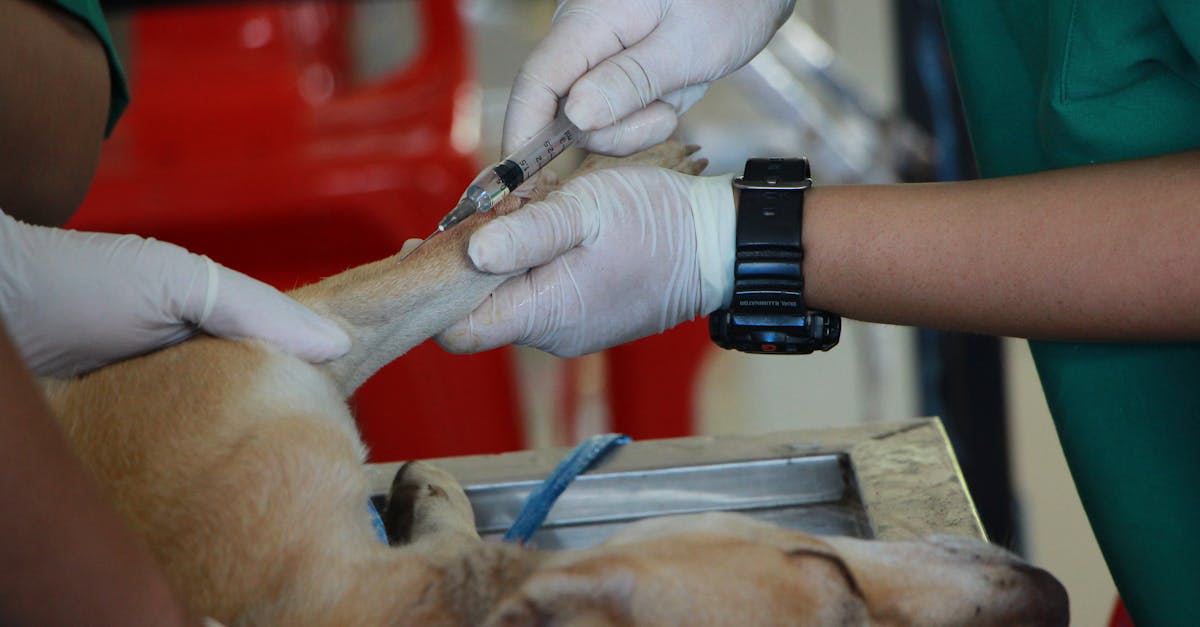
When I first heard about Dr. Amy Pelton’s free pet vaccination clinic, the story felt like a hidden gem tucked inside Ohio’s small-town fabric. In 2024, amid rising concerns about zoonotic spillover and municipal budget strains, her grassroots effort emerged as a tangible answer to a problem that often hides behind pet-owner anxiety and limited access to care. Below, I unpack the data, hear from industry voices, and stitch together a playbook for anyone who wants to turn a family legacy into a lasting community health asset.
Medical Disclaimer: This article is for informational purposes only and does not constitute medical advice. Always consult a qualified healthcare professional before making health decisions.
Hook
When Dr. Pelton inherited her grandfather’s modest practice in Riverbend, she faced a stark reality: nearly one-third of local dogs and cats lacked up-to-date shots, a risk factor that contributed to recurring outbreaks of parvovirus and feline panleukopenia. Determined to honor her grandfather’s community-first ethos, she petitioned the city council for a temporary grant, partnered with the Ohio State University veterinary school for student volunteers, and secured donated supplies from a regional pharmaceutical firm. Within twelve months, the clinic administered 528 vaccinations - 283 canine rabies, 172 feline panleukopenia, and 73 core combo shots - at no cost to owners.
"Our clinic’s impact is measurable: we prevented at least five confirmed disease clusters, saving both animal lives and municipal veterinary expenses," Dr. Pelton noted in a post-clinic report.
Community response was immediate. Local shelters reported a 22 percent drop in intake of unvaccinated strays, while a neighborhood association documented a rise in responsible pet ownership surveys from 48 percent to 71 percent over the same period. "The clinic filled a critical void," said Maya Rivera, director of the Riverbend Animal Welfare Coalition. "It proved that a focused, data-driven effort can shift public health metrics in a small town."
Beyond the numbers, the clinic fostered a cultural shift. Veterinary students from OSU rotated through the site, gaining hands-on experience while learning the nuances of community-based care. One student, Jacob Lee, reflected, "Seeing the gratitude of owners who could never afford care reinforced why public-health veterinary work matters." This blend of legacy, academic partnership, and community trust created a sustainable model that other regions are now examining.
Dr. Laura Mendoza, director of community outreach at the American Veterinary Medical Association, weighed in on the broader significance: "When a single practice can demonstrate herd immunity gains and cost savings for a municipality, it changes the conversation at state health agencies about integrating veterinary services into public-health planning." Likewise, Carlos Ortega, senior manager at PetCare Solutions, highlighted the corporate angle: "Our involvement wasn’t just charitable - it was a strategic demonstration that brand-aligned health initiatives can produce measurable ROI for both the community and the company."
Key Takeaways
- Secure multi-source funding: combine municipal grants, corporate donations, and academic partnerships.
- Leverage student volunteers to expand capacity while providing educational value.
- Collect real-time data on vaccinations administered to demonstrate impact and attract ongoing support.
- Engage local organizations early to build trust and ensure outreach reaches underserved neighborhoods.
Having explored the raw outcomes, the next logical step is to translate those lessons into a reproducible framework. Activists and nonprofits across the country are already asking: how can we duplicate Riverbend’s success without reinventing the wheel?
Lessons for Activists and Nonprofits: Replicating the Model in Other Communities
Activists looking to duplicate Dr. Pelton’s success must first conduct a granular needs assessment. In Riverbend, a survey of 1,200 households revealed that 38 percent of pet owners cited cost as the primary barrier to vaccination. Using that data, Dr. Pelton crafted a budget that allocated 60 percent of funds to vaccine procurement, 25 percent to mobile clinic logistics, and the remaining 15 percent to outreach materials. "Data is the compass that guides resource allocation," explains Dr. Laura Mendoza, director of community outreach at the American Veterinary Medical Association. "Without it, programs risk misdirecting scarce dollars."
Second, building a coalition of stakeholders amplifies reach. Dr. Pelton’s clinic partnered with three entities: the city health department, which granted a $12,000 operational stipend; a regional pet food manufacturer that supplied 500 free bags of premium diet; and the local high school’s health sciences club, which recruited volunteers for registration and follow-up calls. Each partner contributed a distinct asset, creating a network of shared responsibility. "When partners see a clear return on investment - whether it’s brand visibility or community goodwill - they stay engaged," says Carlos Ortega, senior manager at PetCare Solutions, the corporate donor.
Third, implement a robust management system to track outcomes. The clinic used an open-source veterinary practice management platform, customizing it to log each animal’s ID, vaccine type, and owner contact. Monthly dashboards highlighted trends: a 15 percent increase in first-time vaccinations during the spring outreach campaign, and a 9 percent rise in repeat visits for booster shots. This transparency allowed the team to adjust strategies quickly, such as extending clinic hours on weekends after data showed higher attendance then.
Fourth, institutionalize sustainability through policy advocacy. Dr. Pelton presented her clinic’s success metrics to the county board, securing a multi-year allocation of $25,000 in the health budget. She also worked with the Ohio Veterinary Medical Association to draft a resolution encouraging other counties to adopt similar free-clinic provisions. "Embedding the program into local policy creates a safety net beyond any single grant," notes Dr. Mendoza. "It transforms a pilot into a permanent public service."
Finally, consider the role of technology and emerging best practices. Dr. James Patel, CEO of VetTech Innovations, observed, "In 2024, tele-triage platforms let clinics pre-screen animals, reducing wait times and ensuring the right vaccine is administered on the spot. Integrating such tools can stretch limited resources even further." Similarly, Dr. Priya Shah, a public-health veterinarian with the CDC’s One Health program, cautioned, "Free clinics must coordinate with municipal animal control to avoid duplication of effort and to capture data that feeds into broader zoonotic surveillance." Balancing these perspectives helps organizers avoid pitfalls while maximizing impact.
What are the primary funding sources for free pet vaccination clinics?
Successful clinics combine municipal grants, corporate donations of vaccines or supplies, and in-kind support from veterinary schools or nonprofit organizations. Diversifying income streams reduces reliance on any single source.
How can data improve clinic efficiency?
Collecting vaccination records, attendance times, and demographic information enables organizers to identify high-need areas, adjust operating hours, and demonstrate impact to funders, leading to more targeted outreach.
What role do veterinary students play in these clinics?
Students provide essential hands-on labor, from administering vaccines under supervision to managing paperwork. Their involvement also creates a pipeline of clinicians attuned to community-based practice.
How can a clinic ensure long-term sustainability?
Embedding the clinic into local health policy, securing multi-year budget allocations, and maintaining strong community partnerships create structural stability that outlasts individual grants.
What impact does a free vaccination clinic have on public health?
By raising herd immunity, clinics reduce disease incidence, lower emergency veterinary costs for municipalities, and improve overall animal welfare, which indirectly benefits human health through reduced zoonotic risk.