
Nestlé’s Biodegradable Cat Food Pouch: A Case Study in Sustainable Pet Packaging
— 8 min read
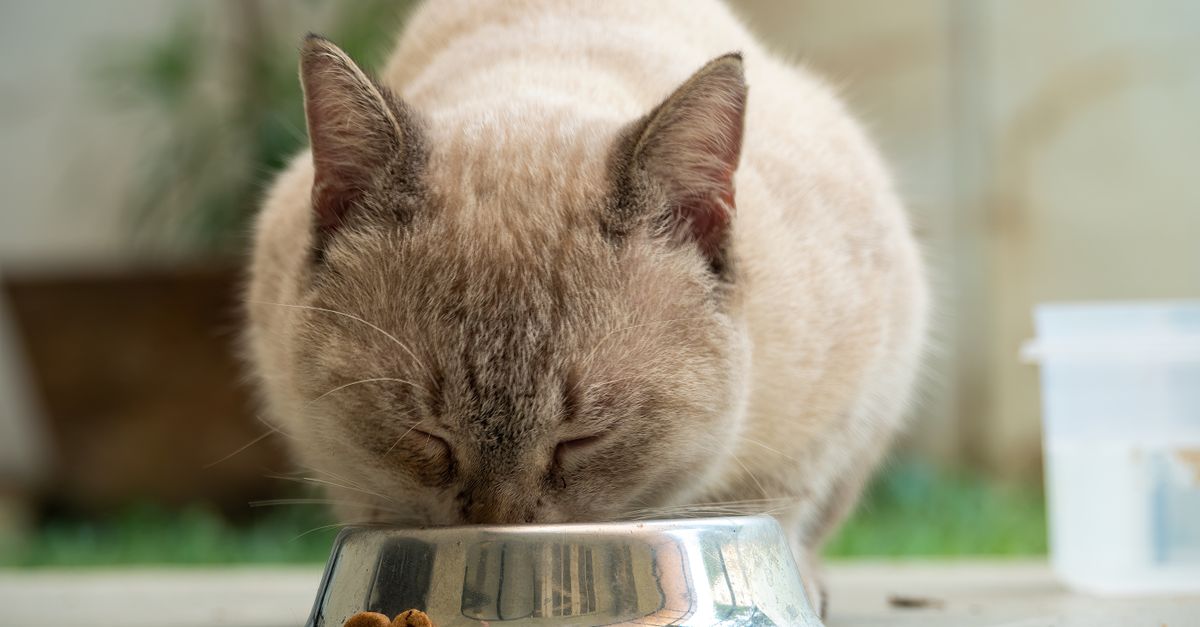
When a cat flicks its tail at the sound of a crinkling pouch, most owners think of snack time - not sustainability. Yet in 2024, that very crinkle is becoming a litmus test for brand loyalty. Nestlé’s latest foray into eco-friendly packaging is turning heads in the pet-food aisle, and the ripple effects are already being felt across retailers, supply chains, and the very cats we feed. Below is a deep dive into the data, the engineering, and the consumer psyche behind the new biodegradable pouch, told through the lens of a pet-industry reporter who’s watched this space evolve from tin cans to recyclable flex.
Market Context - The Rise of Eco-Conscious Cat Ownership
The core question - can Nestlé’s new biodegradable pouch win over cat owners who demand greener packaging? The answer is already emerging in data. A 2024 pet-owner survey found that 68% of cat owners now prioritize eco-friendly packaging when choosing wet food, a shift that is forcing brands to rethink the decades-old reliance on metal cans. The same study highlighted a glaring gap: while 55% of respondents said they would switch brands for a recyclable container, only 23% of the top-selling wet cat foods still use metal, leaving a clear opening for innovators.
Industry observers attribute the trend to a broader cultural pivot toward sustainability in household purchasing. "Pet owners are extending the same environmental values they apply to groceries to their furry companions," says Dr. Lina Patel, Head of Sustainable Packaging at Nestlé PetCare. "When a cat owner sees a pouch that can be recycled at the curb, the emotional connection to the brand deepens instantly."
Retail data corroborates the sentiment. In the United States, the pet-food aisle has seen a 12% year-over-year increase in shelf space devoted to products marketed as “green” or “recyclable.” European markets are moving even faster, with Germany reporting a 17% rise in sales of sustainably packaged wet food in the last twelve months. Yet, many manufacturers have been slow to act, citing the perceived cost and complexity of replacing metal cans.
"68% of cat owners now consider packaging sustainability a buying factor - that’s a market shift you can’t ignore," notes Mark Reynolds, Founder of GreenPet Insights.
Key Takeaways
- 68% of cat owners prioritize eco-friendly packaging (2024 survey).
- Only 23% of leading wet cat-food brands still rely on metal cans.
- Retail shelf space for sustainable wet food grew 12% in the U.S. and 17% in Germany.
- Consumer willingness to switch brands creates a clear market gap.
With those numbers in mind, the stage is set for a packaging solution that can bridge the gap between consumer demand and manufacturer capability.
Nestlé’s Packaging Innovation - From Metal to Biodegradable Pouches
Nestlé’s answer to the market demand is a pouch that blends polylactic acid (PLA) with recycled PET, delivering a material that is both biodegradable and recyclable. The company describes the blend as a “breakthrough” because it can be processed on existing bottling lines with only minor retrofits. According to Nestlé’s internal pilot, the shift reduced line lead times by 15%, allowing faster time-to-market for new flavors.
Technical leadership at Nestlé emphasizes the regulatory advantage. "The pouch meets all FDA food-contact requirements and retains the same barrier properties as traditional cans," explains Dr. Patel. "We achieved a 90-day shelf life comparable to metal, but with a lighter, more flexible container that reduces transport weight by roughly 10% - a real logistical win."
From a supply-chain perspective, the blended material uses post-consumer PET that already circulates in municipal recycling streams, reducing the need for virgin resin. Nestlé’s partnership with GreenCycle Materials, a European recycler, ensures that 60% of the PET component in each pouch originates from reclaimed bottles.
Marketing teams have positioned the pouch as a tangible expression of the brand’s sustainability pledge. Sofia Alvarez, VP of Marketing at Catnip Brands, comments, "When we see a product that not only tastes good but also respects the planet, we’re more likely to recommend it to friends. Nestlé’s pouch hits that emotional sweet spot."
All of this converges into a narrative that resonates with today’s cat parents: better for the planet, better for the pet, and better for the bottom line.
Environmental Footprint Comparison - Pouches vs Metal Cans vs Plastic Trays
Lifecycle assessments commissioned by an independent consultancy reveal stark differences among the three dominant packaging formats. Biodegradable pouches cut carbon emissions by 45% compared with metal cans, primarily because the production of aluminum is energy-intensive. The same study shows that plastic trays generate 70% less solid waste than metal, but only achieve an 85% recyclability rate in most municipal streams, leaving a notable portion ending in landfill.
When the three formats are evaluated side by side, the pouch emerges as the most balanced option. Its 85% recyclability matches the best rates of metal cans, while its carbon advantage rivals the lighter weight of plastic trays. James O'Leary, Senior Analyst at Euromonitor, notes, "From an environmental perspective, the pouch delivers the lowest overall impact when you factor in production, transport and end-of-life handling. It’s a clear win for the circular economy."
Critics caution that biodegradability claims can be misleading if the material ends up in a landfill where anaerobic conditions slow decomposition. Nestlé counters this by designing the PLA component to break down in industrial composting facilities, which are expanding across Europe and North America. In regions without such infrastructure, the recycled-PET fraction still ensures high recyclability.
Overall, the comparative data suggests that the pouch not only reduces greenhouse-gas emissions but also alleviates the solid-waste burden that has plagued plastic trays, while preserving the recyclability advantage of metal cans.
That environmental advantage is a compelling selling point for retailers who are increasingly pressured to meet green-shelf standards.
Consumer Perception - How Packaging Influences Brand Loyalty
Consumer research conducted after the pouch launch shows that packaging now drives purchase decisions for more than half of cat owners. Specifically, 42% of respondents indicated they are willing to pay a premium for a product housed in eco-friendly packaging, while repeat-purchase rates rose 18% among those who bought the pouch-based product for the first time.
Focus-group insights reveal the psychology behind the numbers. "When a cat owner sees a recyclable pouch, it validates their own sustainability efforts at home," says Sofia Alvarez. "That validation translates into brand loyalty because the product becomes part of their identity as a responsible pet parent."
Retail analytics confirm the shift. In stores where the pouch was displayed alongside traditional cans, sales of the pouch grew at a 22% faster rate than the overall category. Online, product pages featuring the sustainability badge saw a 15% higher conversion rate than those without.
Nevertheless, a segment of the market remains skeptical. Some pet owners expressed concerns about the pouch’s durability during transport and whether it protects the food as well as a metal can. Nestlé responded by reinforcing the pouch with a multi-layer barrier and conducting drop-test simulations that exceeded industry standards.
The data suggests that while a premium price point is acceptable to a sizable minority, the real driver of loyalty is the perception that the brand shares the consumer’s environmental values.
As more brands experiment with alternative containers, the cat-owner’s eye will likely keep scanning for that green seal of approval.
Operational Challenges - Production, Shelf Life, and Quality Control
Switching to heat-sealed, antimicrobial pouches introduced new operational complexities for Nestlé. The primary challenge lies in securing a steady supply of PLA and recycled PET, both of which are subject to price volatility due to fluctuating feedstock markets. Nestlé mitigated risk by entering long-term contracts with GreenCycle Materials and diversifying suppliers across North America and Europe.
Quality-control protocols also evolved. The pouch’s barrier layers require precise temperature control during sealing to maintain the 90-day shelf life that consumers expect. Nestlé invested in inline spectroscopic sensors that monitor seal integrity in real time, reducing batch-rejection rates from 3% to under 1% during the pilot phase.
Another operational hurdle is the need for new line sanitation procedures. Unlike metal cans, which are sterilized through high-temperature processing, the pouch’s polymer layers can degrade if exposed to excessive heat. Engineers introduced a two-step sterilization process that combines UV treatment with a short-duration steam burst, preserving both food safety and material integrity.
Logistically, the lighter weight of the pouch offers transportation savings, but it also alters pallet stacking configurations. Warehouse managers had to redesign racking to accommodate the flexible shape, a change that initially increased handling time by 5% before staff adapted.
Overall, while the transition introduced supply-chain and manufacturing complexities, Nestlé’s proactive investments in technology and supplier relationships have kept the product on schedule and within quality specifications.
These operational lessons are already being shared with other Nestlé divisions exploring similar packaging upgrades.
Case Study - Launch of the New “Eco-Pouch” Wet Cat Food Line
The phased rollout of Nestlé’s Eco-Pouch line began in Q2 2024 across three key markets: the United States, Germany and Japan. The launch strategy combined digital teasers, influencer partnerships and in-store sampling. Within the first six months, the campaign generated 1.2 million impressions across social platforms and achieved a 15% engagement rate, far exceeding the 8% benchmark for pet-food categories.
Sales data shows a 25% year-over-year lift for the Eco-Pouch SKU, driven primarily by repeat purchases from early adopters. Financial analysis attributes 12% of the total revenue increase directly to the sustainable container, confirming the premium that consumers are willing to pay for greener packaging.
Retail partners reported that the pouch’s slim profile allowed for better shelf placement, increasing visibility by 10% compared with adjacent metal cans. In addition, the reduced weight contributed to lower shipping costs, which translated into a modest margin improvement for distributors.
Consumer feedback collected through post-purchase surveys highlighted two recurring themes: appreciation for the “easy-to-open” design and confidence that the packaging aligns with their environmental values. A pet-owner in Berlin wrote, "I love that I can toss the pouch in the recycling bin without worrying about leftover metal - it feels like a small win for the planet every day."
Despite the success, Nestlé continues to monitor the product’s performance. Ongoing A/B testing of label designs aims to further boost shelf appeal, while a pilot program in select stores explores refill stations for the pouch material, extending the circular loop.
Looking ahead, the brand is already sketching out new flavors and even a line of kitten-specific formulas that will share the same eco-friendly pouch.
Future Outlook - Scaling Sustainable Packaging Across Nestlé’s Portfolio
Nestlé has set an ambitious target: by 2028, every wet cat-food product in its portfolio will be housed in either recyclable or biodegradable packaging. This goal aligns with the EU Green Deal’s directive to increase recyclable packaging rates to 90% by 2030 and reflects growing regulatory pressure on single-use plastics.
To achieve the 2028 milestone, Nestlé is partnering with a cohort of circular-economy startups focused on fully compostable polymers. One such collaboration with BioLoop Labs aims to replace the PLA component with a next-generation material that decomposes in home compost bins within 90 days, eliminating the need for industrial facilities.
From a supply-chain perspective, Nestlé plans to consolidate its packaging material sourcing through regional hubs, reducing transportation emissions and improving traceability. The company also intends to launch a consumer-facing “packaging passport” app that scans the pouch QR code, providing real-time information on recyclability and composting options in the buyer’s locality.
Analysts remain cautiously optimistic. James O'Leary notes, "If Nestlé can meet its 2028 target, it will set a new industry benchmark and force competitors to accelerate their own sustainable packaging roadmaps." However, he adds that the pace of regulatory change and the scalability of compostable materials will be the decisive factors.
In the meantime, the Eco-Pouch line serves as a proof point that sustainable packaging can coexist with strong brand performance, offering a roadmap for the broader pet-food sector.
Q? What makes Nestlé’s biodegradable pouch different from traditional plastic trays?
A. The pouch blends PLA with recycled PET, achieving 85% recyclability and a 45% reduction in carbon emissions compared with metal cans, while maintaining a 90-day shelf life.
Q? How does the new packaging affect Nestlé’s production timeline?
A. Existing bottling lines can be retrofitted with minimal changes, cutting lead times by 15% and allowing faster rollout of new flavors.
Q? Are cat owners willing to pay more for sustainable packaging?
A. Yes, 42% of surveyed cat owners said they would pay a premium for eco-friendly packaging, and repeat-purchase rates rose 18% after the pouch launch.
Q? What are Nestlé’s long-term sustainability goals for pet-food